Comfortable with not being comfortable
Kílian Jornet grew up inside discipline rather than training into it — and now builds things meant to be repaired.
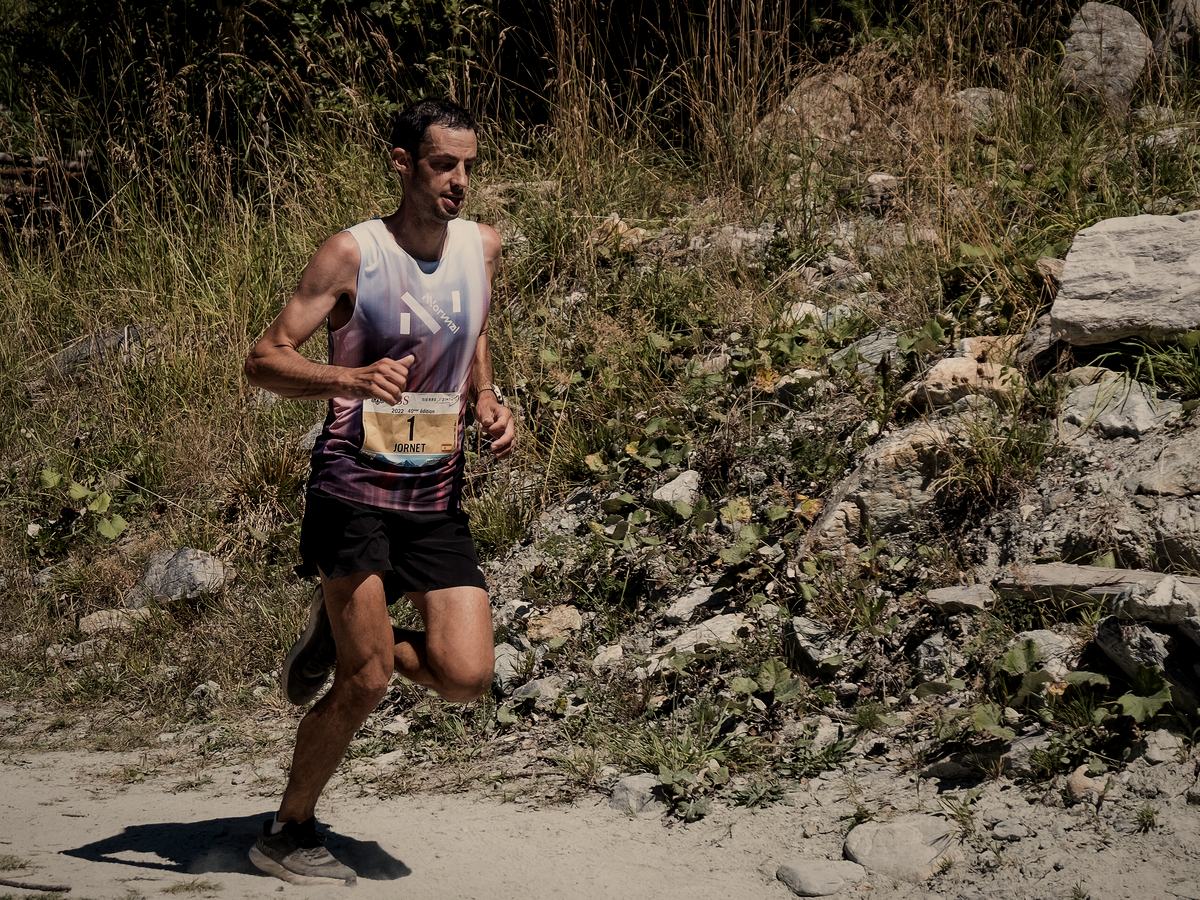
There is a line in a short film about Kílian Jornet that does more work than most books about discipline. His partner, the mountain runner Emelie Forsberg, is describing his childhood: long days out in the mountains, hours of walking, no food. She calls it learning to be comfortable with not being comfortable.
What makes it land is that it isn’t advice. Nobody set out to build resilience. That was simply the week.
Raised at 2,000 metres
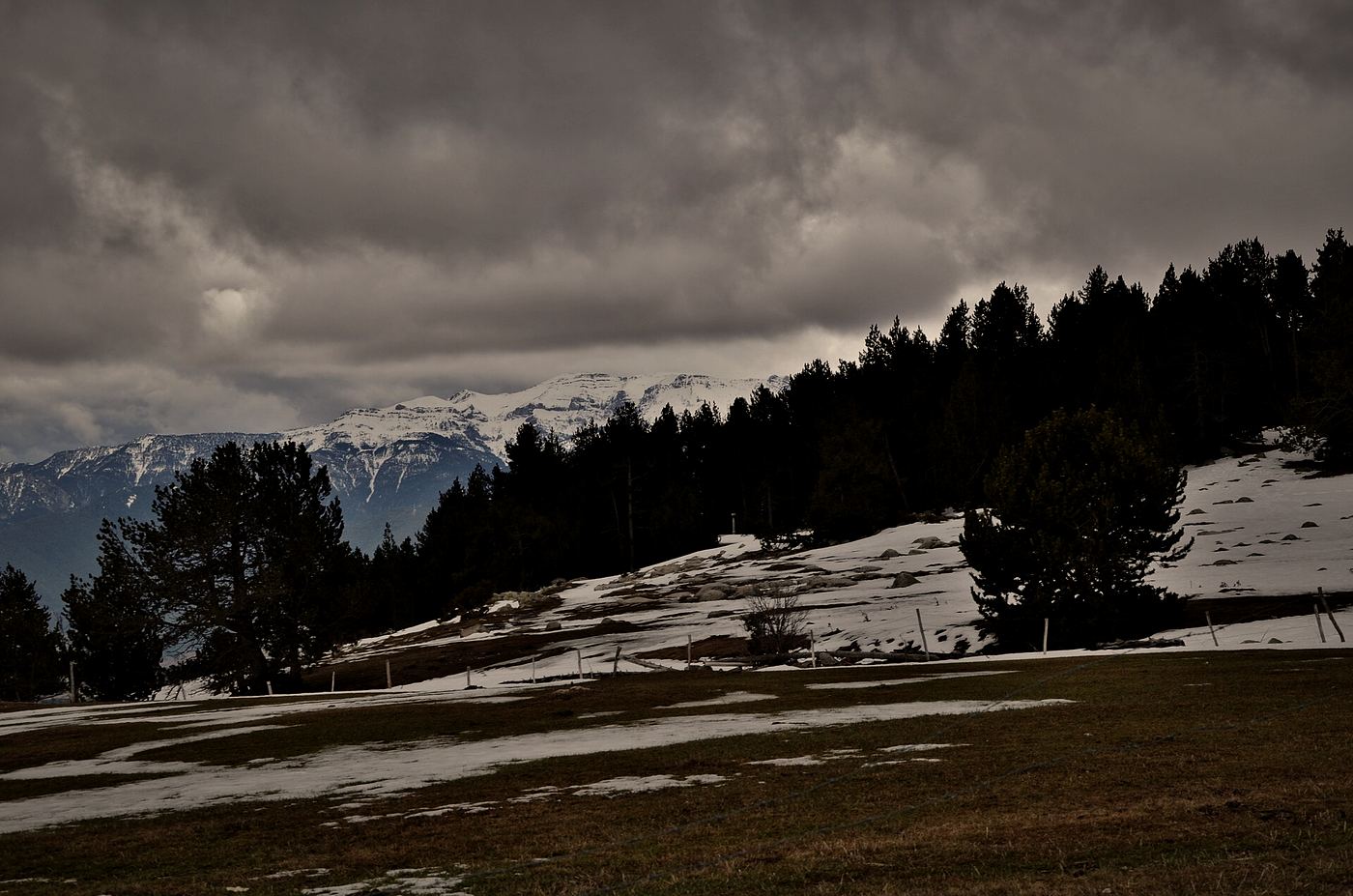
Jornet grew up in a mountain refuge in the Pyrenees, at around 2,000 metres, where his father worked as the keeper and as a guide. He climbed his first peak at three. By twelve he was racing ski mountaineering.
This is the part most stories skip. Discipline is usually sold as something you impose on yourself — an act of will performed daily against your own nature. His version is quieter and harder to copy: he was inside it before he could choose it.
Then he found out it wasn’t normal
The interesting turn isn’t the toughness. It’s what happened when he looked up.
When you are a kid you think that everybody is doing the same. But I started to understand that what I was doing it was not the norm. I felt kind of disconnected.
Competition, he says, is where that resolved — not because winning mattered, but because it put him among people for whom the same things were obvious. Before the medals, the value of the sport was simply that it made sense of him.
He then won more or less everything there was to win: World Cups and World Championships in ski mountaineering, and the races that define mountain running — Zegama, Sierre-Zinal, Western States, UTMB.
The emptiness on the other side
And here the film says something almost nobody in sport says out loud.
When you have a dream in front of you have a clear path and a motivation to keep working. But when you achieve a dream it’s often like more a feeling of emptiness.
The answer wasn’t a bigger trophy. It was to go back to the thing underneath: being in the mountains, moving fast on peaks that had meant something to him — Matterhorn, Mont Blanc, Aconcagua. Projects with no ranking attached, where, as he puts it, you need the courage to do things when you don’t know the outcome.
What it costs
The film doesn’t leave it there, which is why it’s worth taking seriously.
What made me successful is also what makes me more afraid of myself.
He is describing a threshold — for pain, for risk — that is an asset in a race and a liability in a life. He says openly that he has put himself in situations that were not good, knew it, and accepted it anyway, and that this is not something he is happy about.
His account of courage is the least romantic one you will hear: as a child you are fearless because you don’t understand consequences. Later, being fearless becomes a conscious choice — the knowledge to say that sometimes it isn’t worth it, even when you feel you could push.
The same idea, applied to objects
What connects this to anyone making things is what he did next. In 2022 Jornet co-founded a footwear brand, NNormal, with Camper, a Mallorcan shoemaker founded in 1877. Its tagline is Your Path, No Trace, and its business model runs against the industry it sits in.
The brand publishes durability estimates for its shoes rather than seasonal colourways: for the Kjerag it cites over 1,000 km before a pair is fully worn out, based on data gathered from 511 runners; for the Tomir 02, over 800 km on average, tested with more than 7,000 runners. It runs a lifetime repair guarantee, a resoling programme with Vibram, and a take-back scheme that accepts worn-out gear from any brand, not only its own. It is certified as a B Corp.
None of that is charity. It is the same sentence as the training, pointed at products: make fewer things, make them last, and don’t confuse activity with progress.
Why we are writing this down
There is one more line in the film, and it is the one we keep coming back to.
We neglect the essential focusing on what’s urgent. But doing that, we forget about the urgency of the essential.
Kousesh is about to make its first piece of clothing. Everything in the way clothing brands work pushes toward what is urgent: a drop, a season, a reason to post. The alternative is slower and less exciting — one piece, heavy fabric, no gimmicks, made to outlive the season it launches in.
We are writing this down so it can be checked against what we actually do.
Where this comes from
- Quotes from Kílian Jornet and Emelie Forsberg: Transcendent, a short film produced by COROS.
- Biographical details (childhood in a Pyrenean refuge, first summit at three, racing from twelve) are widely documented across published profiles of Jornet.
- Durability figures, repair guarantee, take-back and resoling programmes, and B Corp status: NNormal, the brand's own published materials, checked 23 September 2026.